
MultiQuip
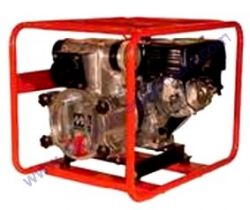
Multiquip QP3TH Trash Pump, 3" Suction, 396GPM, 95 ft. MAX Head, 8HP Honda GX240, Gas Engine
- Part number
- QP3TH
- Model
- QP3TH
- Year
- 2/1/2026
- Condition
- NEW
$1846.21List $2315.00Save $468.79
MultiQuip orders have a $50.00 minimum (Multiquip family)
Genuine OEMShips nationwideFree shippingExpert support
Multiquip QP3TH Trash Pump, 3" Suction, 396GPM, 95 ft. MAX Head, 8HP Honda GX240, Gas Engine
This is Multiquip's most popular pump model. The QP3TH is perfect for many pumping applications from dewatering to water tank and water truck use. Dual discharge ports increase the productivity and practicality of this gasoline-powered trash pump. Sticks, stones and debris easily pass through the pump, minimizing downtime due to clogging.
* Not designed to pump salt water and selected chemicals.
Feactures
Features to tackle the demanding requirements of the Pro Contractors.
Trusted 7.9HP Honda GX240 gasoline engine.
Automatic low oil shutdown for the engine is a standard feature.
Pumps water with solid content as large as 1.5-inch (37 mm) in diameter.
Maximum lift of 25 feet (7.6 meters)
Can pump up to 396 gallons (1,500 liters) per minute.
Dual 3-inch discharge ports to adapt to different applications.
Carbon/silicon mechanical seal for durability.
Large cleanout cover removes in seconds without tools.
Tubular Steel frame for transportation and pump protection.
Cast Iron impeller and volute for abrasion resistance/long life.
Aluminum body with cast-iron fittings
Multiquip QP3TH Trash Pump, 3" Suction, 396GPM, 95 ft. MAX Head, 8HP Honda GX240, Gas Engine
• Features to tackle the demanding requirements of the Pro Contractors.
• Trusted 7.9HP Honda GX240 gasoline engine.
• Automatic low oil shutdown for the engine is a standard feature.
• Pumps water with solid content as large as 1.5-inch (37 mm) in diameter.
• Maximum lift of 25 feet (7.6 meters).
• Can pump up to 396 gallons (1,500 liters) per minute.
• Dual 3-inch discharge ports to adapt to different applications.
• Carbon/silicon mechanical seal for durability.
• Large cleanout cover removes in seconds without tools.
• Tubular Steel frame for transportation and pump protection.
• Cast Iron impeller and volute for abrasion resistance/long life.
• Aluminum body with cast-iron fittings.
Multiquip QP3TH Trash Pump
Multiquip QP3TH Specifications Unit Specifications Suction x Discharge (mm) 3 x 3 (76 x 76) Maximum Water Capacity (L) 396 gpm (1500 L/min) Maximum Lift (m) 25 ft (7.6) Maximum Head (m) 9 5 ft. (29) Maximum Pressure (kPA) 41.1 psi (283) Maximum Solids (mm) 1.5" (50.8) Optional Wheel Kit UWK Engine Specifications Make/Model Honda GX240 Maximum HP (kW) 8 (5.97) Maximum RPM 3600 Fuel Capacity (L) 1.6 Gallons (6) Starting Method Recoil Dimensions & Weights Overall Length (mm) 28.7 in. (729) Overall Width (mm) 21.7 in. (551.2) Overall Height (mm) 23 in. (584.2) Operating Weight (kg) 142 lbs (61)
Fuel Tank Capacity 1.58 Gal 6 L
Multiquip QP3TH Trash Pump
SAFETY INFORMATION
GENERAL SAFETY
CAUTION
NEVER operate this equipment without proper protective clothing, shatterproof glasses, respiratory protection, hearing protection, steel-toed boots and other protective devices required by the job or city and state regulations.
„ NEVER operate this equipment when not feeling well due to fatigue, illness or when under medication.
NEVER operate this equipment under the influence of drugs or alcohol.
NOTICE
This equipment should only be operated by trained and qualified personnel 18 years of age and older.
Whenever necessary, replace nameplate, operation and safety decals when they become difficult read.
Manufacturer does not assume responsibility for any accident due to equipment modifications. Unauthorized equipment modification will void all warranties.
NEVER use accessories or attachments that are not recommended by Multiquip for this equipment. Damage to the equipment and/or injury to user may result.
ALWAYS know the location of the nearest fire extinguisher.
ALWAYS know the location of the nearest first aid kit.
ALWAYS know the location of the nearest phone or keep a phone on the job site. Also, know the phone numbers of the nearest ambulance, doctor and fi re department.
This information will be invaluable in the case of an emergency.
PUMP SAFETY
DANGER
NEVER pump volatile, explosive, flammable or low flash point fluids. These fluids could ignite or explode.
The engine fuel exhaust gases contain poisonous carbon monoxide. This gas is colorless and odorless, and can cause death if inhaled.
The engine of this equipment requires an adequate free flow of cooling air. NEVER operate this equipment in any enclosed or narrow area where free flow of the air is restricted. If the air flow is restricted it will cause injury
to people and property and serious damage to the equipment or engine.
NEVER operate the equipment in an explosive atmosphere or near combustible materials. An explosion or fi re could result causing severe bodily harm or even death.
WARNING
NEVER pump corrosive chemicals or water containing toxic substances. These fluids could create serious health and environmental hazards. Contact local
authorities for assistance.
NEVER open the priming plug when pump is hot. Hot water inside could be pressurized much like the radiator of an automobile.
Allow pump to cool to the touch before loosening plug. The possibility exists of scalding, resulting in severe bodily harm.
NEVER disconnect any emergency or safety devices.
These devices are intended for operator safety.
Disconnection of these devices can cause severe injury, bodily harm or even death. Disconnection of any of these devices will void all warranties.
CAUTION
NEVER lubricate components or attempt service on a running machine.
„ NEVER block or restrict flow from discharge hose.
Remove kinks from discharge line before starting pump.
Operation with a blocked discharge line can cause water inside pump to overheat.
NOTICE
ALWAYS fill the pump casing with water before starting the engine. Failure to maintain water inside the pump housing will cause severe damage to the pump and mechanical seal.
In winter drain water from pump housing to prevent freezing.
NEVER start the pump with the clean-out cover removed.
The rotating impeller inside the pump can cut or sever objects caught in it. Before starting the pump, check that the clean-out cover is securely fastened.
ALWAYS keep the machine in proper running condition.
ALWAYS ensure pump is on level ground before use
Fix damage to machine and replace any broken parts immediately.
ALWAYS store equipment properly when it is not being used. Equipment should be stored in a clean, dry location out of the reach of children and unauthorized personnel.
ENGINE SAFETY
WARNING
„ NEVER operate the engine with heat shields or guards removed.
„ DO NOT remove the engine oil drain plug while the engine is hot. Hot oil will gush out of the oil tank and severely scald any persons in the general area of the pump.
CAUTION
NEVER touch the hot exhaust manifold, muffler or cylinder. Allow these parts to cool before servicing equipment.
NOTICE
NEVER run engine without an air filter or with a dirty air filter. Severe engine damage may occur. Service air filter frequently to prevent engine malfunction.
NEVER tamper with the factory settings of the engine or engine governor. Damage to the engine or equipment can result if operating in speed ranges above the maximum allowable.
FUEL SAFETY
DANGER
DO NOT add fuel to equipment if it is placed inside truck bed with plastic liner. Possibility exists of explosion or fire due to static electricity.
DO NOT start the engine near spilled fuel or combustible fluids. Fuel is extremely flammable and its vapors can cause an explosion if ignited.
ALWAYS refuel in a well-ventilated area, away from sparks and open flames.
„ ALWAYS use extreme caution when working with flammable liquids.
DO NOT fill the fuel tank while the engine is running or hot.
DO NOT overfill tank, since spilled fuel could ignite if it comes into contact with hot engine parts or sparks from the ignition system.
Store fuel in appropriate containers, in well-ventilated areas and away from sparks and flames.
NEVER use fuel as a cleaning agent.
DO NOT smoke around or near the equipment. Fire or explosion could result
from fuel vapors or if fuel is spilled on a hot engine.
BATTERY SAFETY (ELECTRIC START ONLY)
DANGER
DO NOT drop the battery. There is a possibility that the battery will explode.
DO NOT expose the battery to open flames, sparks, cigarettes, etc. The battery contains combustible gases and liquids. If these gases and liquids come into contact with a flame or spark, an explosion could occur.
WARNING
ALWAYS wear safety glasses when handling the battery to avoid eye irritation.
The battery contains acids that can cause injury to the eyes and skin.
Use well-insulated gloves when picking up the battery.
ALWAYS keep the battery charged. If the battery is not charged, combustible gas will build up.
DO NOT charge battery if frozen. Battery can explode.
When frozen, warm the battery to at least 61°F (16°C).
ALWAYS recharge the battery in a well-ventilated environment to avoid the risk of a dangerous concentration of combustible gases.
If the battery liquid (dilute sulfuric acid) comes into contact with clothing or skin, rinse skin or clothing immediately with plenty of water.
If the battery liquid (dilute sulfuric acid) comes into contact with eyes, rinse eyes immediately with plenty of water and contact the nearest doctor or hospital to seek medical attention.
CAUTION
ALWAYS disconnect the NEGATIVE battery terminal before performing service on the equipment.
ALWAYS keep battery cables in good working condition.
Repair or replace all worn cables
TRANSPORTING SAFETY
CAUTION
NEVER allow any person or animal to stand underneath the equipment while lifting.
NOTICE
Before lifting, make sure that the equipment parts (hook and vibration insulator) are not damaged and screws are not loose or missing.
Always make sure crane or lifting device has been properly secured to the lifting bail (hook) of the equipment.
ALWAYS shutdown engine before transporting.
NEVER lift the equipment while the engine is running.
Tighten fuel tank cap securely and close fuel cock to prevent fuel from spilling.
Use adequate lifting cable (wire or rope) of sufficient strength.
Use one point suspension hook and lift straight upwards.
ENVIRONMENTAL SAFETY
NOTICE
Dispose of hazardous waste properly.
Examples of potentially hazardous waste are used motor oil, fuel and fuel filters.
DO NOT use food or plastic containers to dispose of hazardous waste.
DO NOT pour waste, oil or fuel directly onto the ground, down a drain or into any water source.
1 Year Parts & Labor; 2-Year Honda Engine
- Multiquip QP3TH Gasoline Powered Trash Pump Brochure 2021
- Multiquip QP3TH Trash Pump Volute and Drain Cover Change Service Bulletin No CO20050706 Rev-A SN From 3TH-0001 to 3TH-1969 July 2005
- Multiquip QP3TH (Honda GX240K1QA2/GX240U1QA2/GX240UT2QA2 Gasoline Engine) Trash Pump Parts Manual Rev-11 June 2020
- Multiquip QP3TH Trash Pump Operation Manual-Rev-11-06-02-2020
- Multiquip QP3TH Pump Starting Instruction-2005
- Multiquip QP3TH Trash Pump Operation & Parts Manual - 2006
- Multiquip QP3TH Trash Pump Operation & Parts Manual - 2018
Related parts

Multiquip
MKITPUMP-3 Filter Service Kit Multiquip QP3THX Trash Pump
PN: MKITPUMP-3
$48.24

Multiquip
MKITPUMP-2 Filter Service Kit Multiquip QP205SH High Pressure Pump QP2TH QP3TH Trash Pumps
PN: MKITPUMP-2
$48.43

Multiquip
MKITPUMP-1 Filter Service Kit Multiquip QP2TH QP3TH Trash Pumps
PN: MKITPUMP-1
$55.38
MultiQuip
0105051045 BOLT 10X45 MultiQuip MVH208GH Reversible Plate Compactor
PN: 0105051045
$1.27
MultiQuip
0105051045 BOLT 10X45 MultiQuip MVH408GH Reversible Plate Compactor
PN: 0105051045
$1.27
MultiQuip
0105051045 BOLT 10X45 MultiQuip MVH308GH Reversible Plate Compactor
PN: 0105051045
$1.27
MultiQuip
0105051045 BOLT (ENGINE) M10 X 45 MultiQuip QP-301TH Trash Pump
PN: 0105051045
$1.27
MultiQuip
0631211159 DRAIN CAP PF1 1/2" MultiQuip QP4TZT10P TMP16F TMPXF Trash Pump
PN: 0631211159
$8.07
Customers also purchased
More from this category
Multiquip
Multiquip MQ62TKT Trash Pump, 6", Trailer Mount 28 GAL, 1,190 GPM, KOHLER KDW 1404 Tier 4 Final Diesel Engine
PN: MQ62TKT
$22648.28
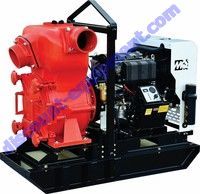
Multiquip
Multiquip MQ62TKS Pump Trash, 6", Skid Mounted 16 Gal, 1,190 GPM, KOHLER KDW 1404 Tier 4 Final Diesel
PN: MQ62TKS
$22322.95
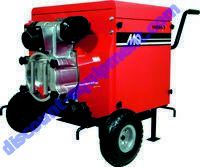
Multiquip
Multiquip QP3TS Trash Pump, 3" Suction, Silent, Full Enclosure, 396 GPM, 95 ft. MAX Head; Honda GX270, Gas Engine
PN: QP3TS
$5090.44
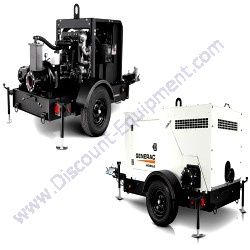
Generac Magnum
Generac Magnum MTP6DZD 6" Diaphragm Dry Prime Trash Pump
PN: MTP6DZD
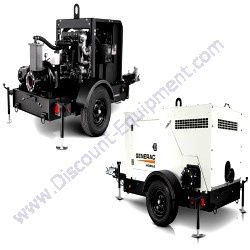
Generac Magnum
Generac Magnum MTP6DZV 6" Venturi Dry Prime Trash Pump
PN: MTP6DZV
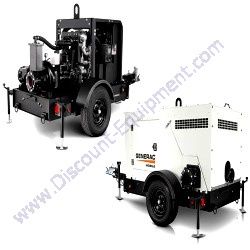
Generac Magnum
Generac Magnum MTP4DZV 4" Venturi Dry Prime Trash Pump
PN: MTP4DZV
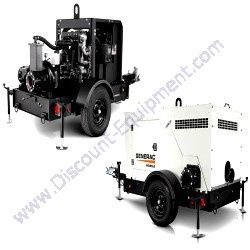
Generac Magnum
Generac Magnum MTP4DZD 4" Diaphragm Dry Prime Trash Pump
PN: MTP4DZD
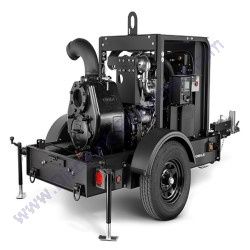
Generac Magnum
Generac Magnum MTP6SZ 6" Wet Prime Diesel Trash Pump
PN: MTP6SZ
Top selling MultiQuip products
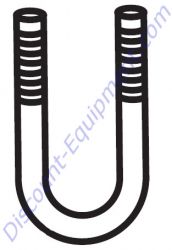
Multiquip
200297 (EM200297) U-Bolt for Stow MS63, MS70, MS93, Essick EM-120SM
PN: EM200297
$3.24
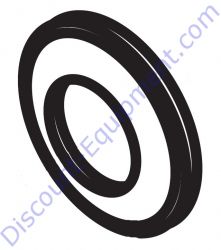
Multiquip
20654-001 Seal Shaft for Whiteman WM70, WM90
PN: 20654-001
$5.66
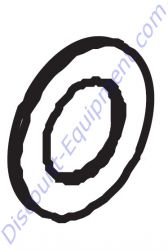
Multiquip
20104-002 Seal Shaft Urethane for Whiteman WM90,WM70,MS63,MS93
PN: 20104-002
$7.16
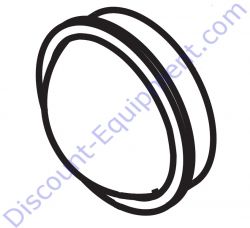
Multiquip
3249 Cap, Dust for Essick & Whiteman Models
PN: 3249
$11.57
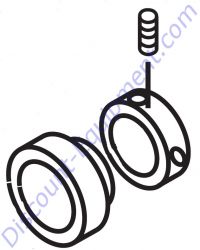
Multiquip
20561-001 Bearing Sealed for Stow MS63, MS70, MS93
PN: 20561-001
$28.13
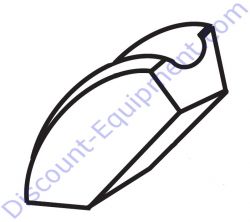
Multiquip
EM200292 Paddle Arm Insert Casting for Stow MS63, MS70, MS93
PN: EM200292
$4.65
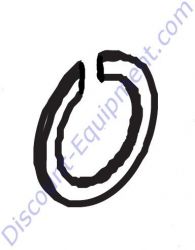
Multiquip
530029 Ring Retention for Whiteman WM70, WM90
PN: 530029
$10.65
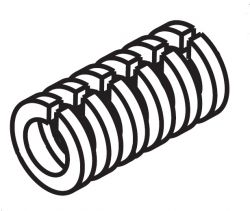
Multiquip
200301 EM200301 Single Packing Ring for Essick EM70, EM90, EM120SM
PN: EM200301
$15.84
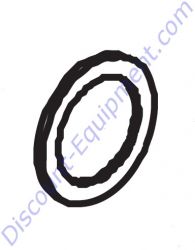
Multiquip
20654-001 Seal Shaft for Stow MS63, MS70, MS93
PN: 20654-001
$5.66
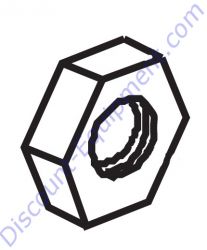
Multiquip
492584 Nut Lock 1/2" for Essick EM70, EM90, EM120H, Whiteman WM70, WM90, WM120H
PN: 492584
$0.40
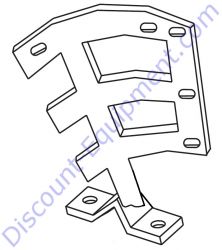
Multiquip
200296B EM200296B (EM200296A) Paddle Arm EE for Stow MS93
PN: EM200296A
$80.83
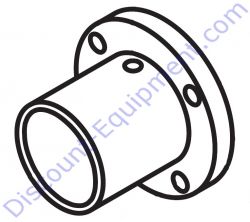
Multiquip
514778 Trunnion Hub for Whiteman WM70, WM90
PN: 514778
$41.83
MultiQuip service & parts manuals
- Multiquip MT-86D Rammer
- Mikasa - Multiquip MVH406DSCPAS Reversible Plate Compactor
- Mikasa - Multiquip MTe55 Rammer
- Multiquip Mikasa MTe55 Rammer
- Multiquip MP2075E3 Masonry Saw
- Mikasa - Multiquip MT76D Tamping Rammer
- Mikasa - Multiquip MVH406GH Reversible Plate Compactor
- Mikasa - Multiquip MVCE64VBW One-Way Plate Compactor
- Mikasa - Multiquip MT-60HS Tamping Rammer
- Mikasa - Multiquip MVHeR60B Plate Compactor
- Mikasa - Multiquip MVH-702DRSC Reversible Plate Compactor
- Multiquip MP2050E3 Masonry Saw
- Mikasa - Multiquip MVH306DSCPAS Reversible Plate Compactor
- Multiquip MT-74F Rammer
- Multiquip MP2050E1 Masonry Saw
- Mikasa - Multiquip MVH206D Reversible Plate Compactor
- Multiquip MT-54F Rammer
- Mikasa - Multiquip MVH206GH Reversible Plate Compactor
- Mikasa - Multiquip MTe55B Rammer
- Multiquip MP1240E Masonry Saw